BIS PIPE - TECHNICAL
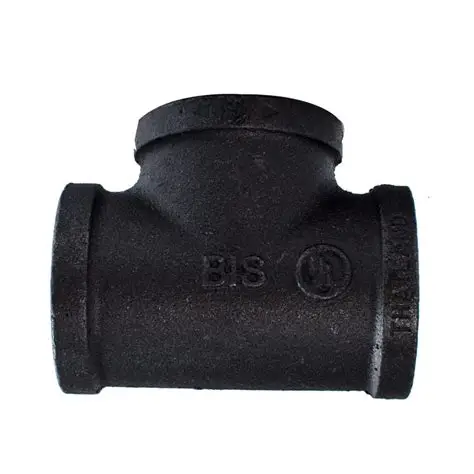
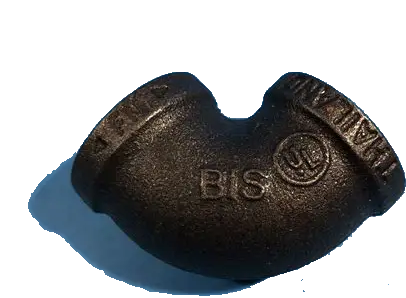
🔹 Bothwell Butt‑Welding Fittings – Professional Overview
Definition: Bothwell fittings are forged or welded pipe components manufactured in Taiwan, designed to connect, branch, or change direction in pressurized piping systems. They are recognized for high dimensional accuracy, strict quality control, and compliance with international standards.
Application Areas
Fire fighting systems – sprinkler and hydrant piping networks
HVAC installations – chilled water and heating systems
Petrochemical plants – handling high‑pressure fluids
Shipbuilding and offshore construction – durable piping connections in harsh environments
Product Types
Elbows (90°, 45°) – change pipe direction
Tees – branch connections
Reducers (concentric/eccentric) – transition between different pipe diameters
Caps – pipe end closure
Special fittings – custom designs for specific layouts
Advantages
High dimensional accuracy – precise tolerances and wall thickness schedules
Wide size range – from ½” to 48”
Durable materials – carbon steel, stainless steel, alloy steel
Compliance with global standards – ANSI, DIN, JIS
Superior mechanical properties – corrosion resistance and pressure fatigue strength
Trusted brand – Bothwell is well‑established in Asia and MENA markets
📊 Technical Specifications
| Feature | Specification |
|---|---|
| Manufacturing | Forged or welded |
| Materials | Carbon steel, stainless steel, alloy steel |
| Standards | ANSI, DIN, JIS |
| Sizes | ½” to 48” |
| Thickness | SCH 10 to SCH 160 |
| Surface finish | Black, galvanized, epoxy-coated |
| Applications | Fire fighting, HVAC, petrochemical, shipbuilding |
Certifications
Produced under ISO 9001 quality management system
Manufactured to ANSI/DIN/JIS dimensional standards
Generally not UL/FM certified by default, so for strict fire protection projects (sprinklers/hydrants) consultants may require UL/FM brands like SHIELD or Benkan
⚠️ Key note: Bothwell fittings are considered high‑precision industrial fittings. They are widely used in Egypt and MENA for HVAC and industrial projects, and often accepted in fire fighting systems where UL/FM certification is not mandatory.