
CONCEALED SPRINKLERS
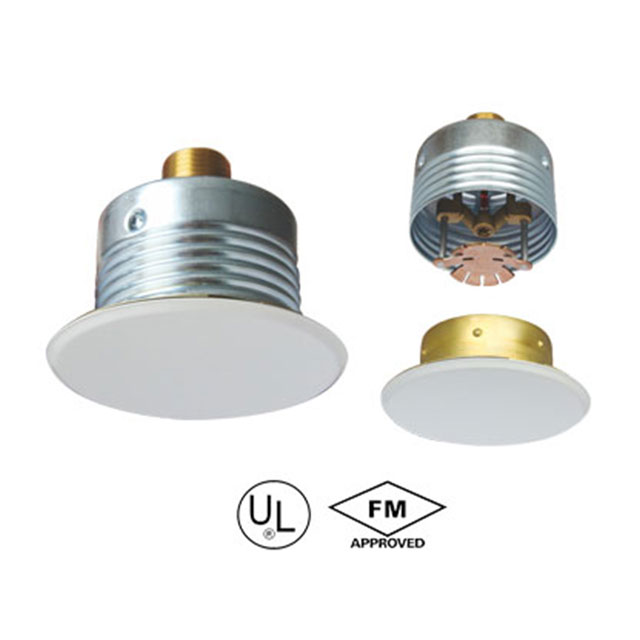
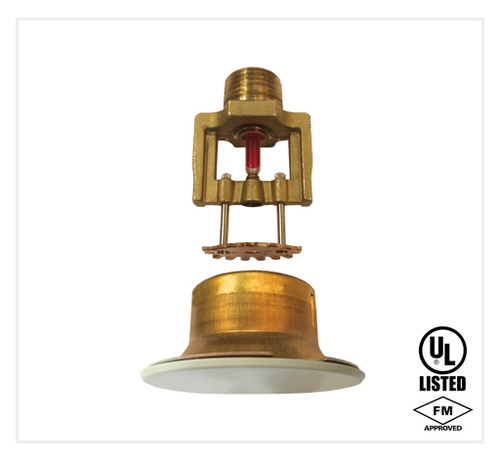
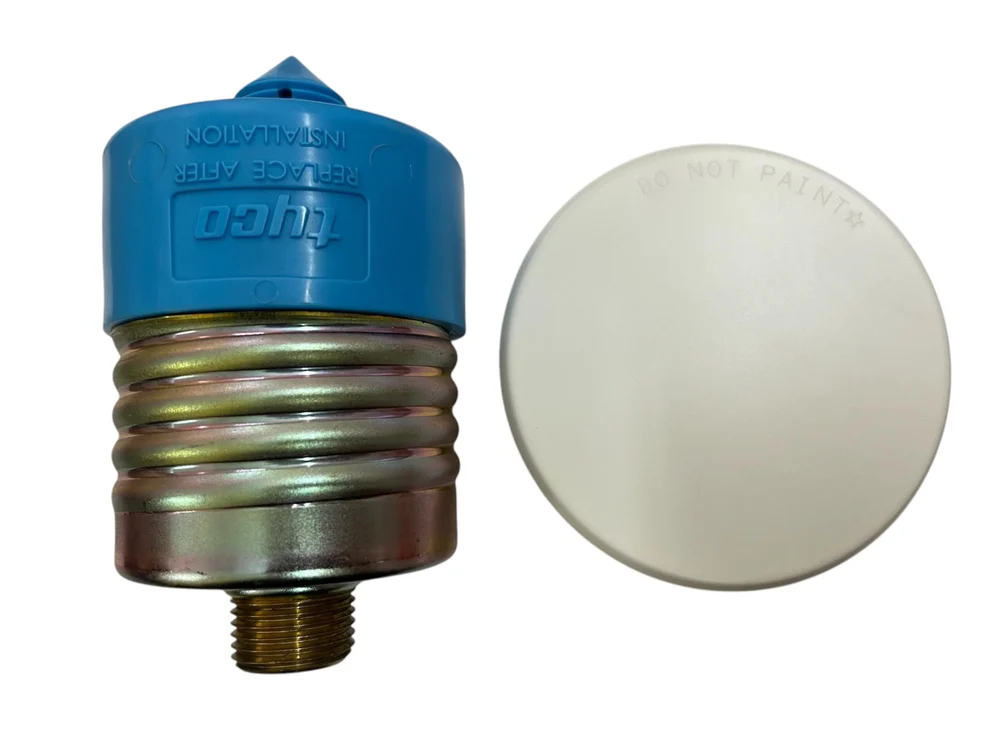
Concealed sprinklers are specialized fire protection devices designed to blend seamlessly into building interiors while providing reliable safety. They are hidden behind decorative covers until activated by heat, making them both functional and aesthetically discreet.
🔎 What Are Concealed Sprinklers?
Definition: Concealed sprinklers are fire sprinkler heads covered by a flat plate or cap that hides them from view. When exposed to heat, the cover plate falls away, allowing the sprinkler to activate.
Purpose: They combine fire safety with architectural design, ensuring protection without disrupting interior aesthetics.
⚙️ How They Work
Heat sensitivity: The cover plate is attached with a low‑temperature solder. When the ambient temperature rises (typically 135–170°F / 57–77°C), the solder melts.
Activation: Once the plate detaches, the sprinkler head is exposed. If the temperature continues to rise to the sprinkler’s rating (up to 212°F / 100°C), the sprinkler discharges water.
System type: Commonly used in wet pipe systems for residential and commercial applications.
🏢 Applications
Residential buildings: Homes, apartments, and mobile homes (per NFPA 13D standards).
Hospitality: Hotels and dormitories where design aesthetics are important.
Commercial spaces: Offices and retail areas requiring discreet fire protection.
📋 Standards & Codes
NFPA 13: Governs installation of sprinklers in most occupancies. Concealed sprinklers must comply with these standards.
NFPA 13D: Specific to one- and two-family dwellings.
NFPA 13R: For low-rise residential occupancies.
✅ Advantages
Aesthetic appeal: Hidden design maintains clean ceilings and walls.
Fast response: Designed to activate quickly in residential fires.
Versatility: Available in pendant and horizontal sidewall orientations.
⚠️ Limitations & Considerations
Maintenance: Cover plates must remain intact and unobstructed.
Temperature ratings: Must match the environment (avoid installing in areas with excessive heat).
Code compliance